


Think about what you want to keep doing, whether that’s reading to a grandchild or walking to the store. Over time, high blood sugar can damage the small blood vessels in your eyes and kidneys and the nerves in your feet, even when you feel well. Keeping blood sugar in a range that is safe for you helps protect those parts of your body. Preventing a sudden low matters today, too. It can help you avoid the dizziness or confusion that can lead to a fall. [1] [2]
Know your own blood sugar goals
Ask your care team to write down your target range, when to check and when to call. Your A1C gives an average for about three months. It can look on target even if your sugar has dropped too low on some afternoons. A note like “shaky before a late lunch” helps your clinician see what an average misses. If eating, remembering doses or using your meter has become harder, tell your team so you can choose a plan that fits your day. [1] [2]
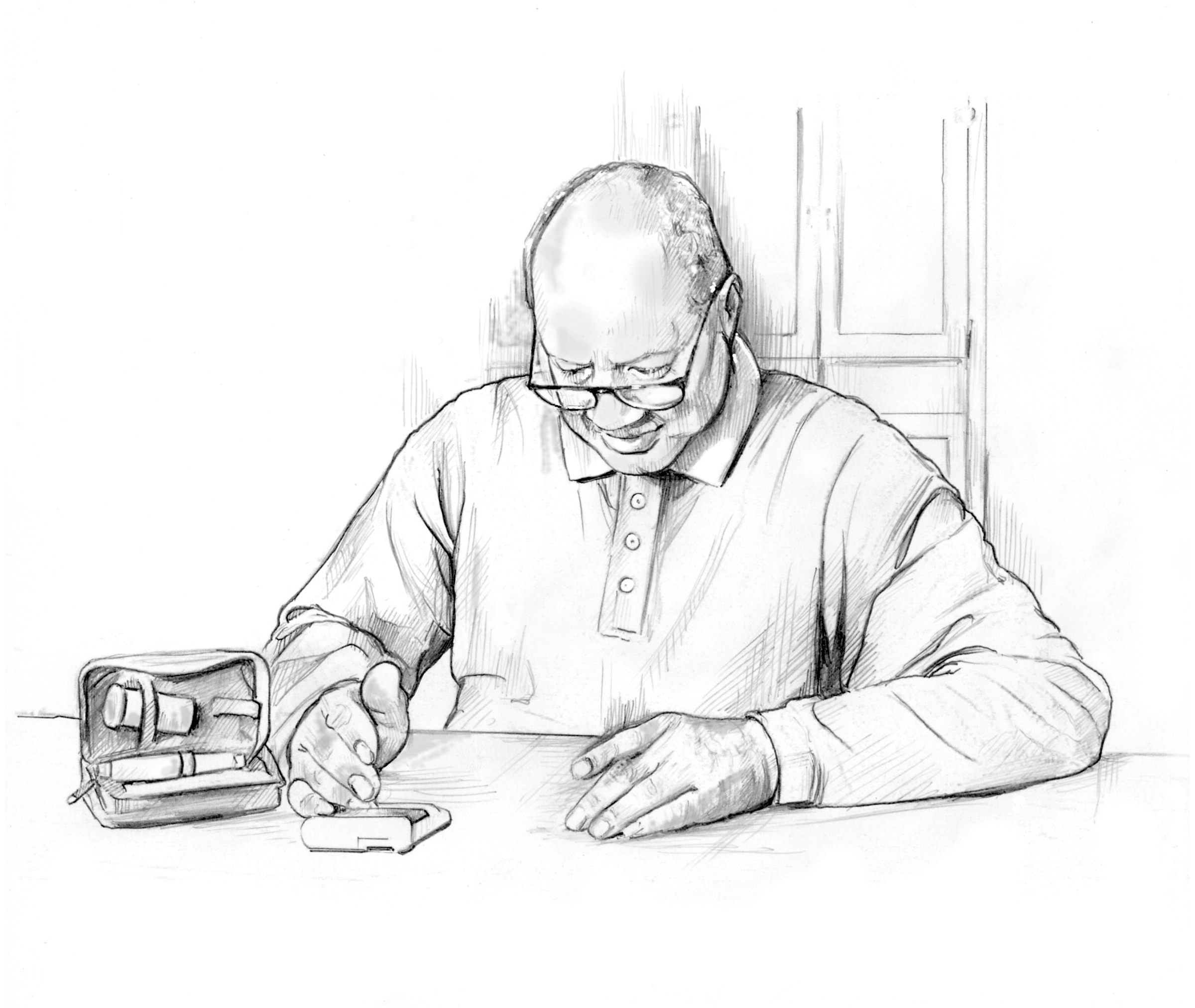
Build a routine that fits your day
- Keep track of when you take your medicines. Write down each medicine, its dose and when you take it. Some medicines, including insulin, can keep lowering your sugar even when lunch is late. Ask for written instructions about what to do if you miss a meal or are too sick to eat. That way, you and a caregiver know what to do without guessing about a dose. [1] [7]
- Keep foods you enjoy on your plate. If you like tortillas, try eating them with chicken and calabacitas (zucchini). The protein in the chicken and the fiber in the vegetables help the sugar from the tortillas enter your blood more slowly. One way to serve a meal is half a plate of nonstarchy vegetables, a quarter chicken or fish, and a quarter beans, rice or tortillas. If you’re losing weight without trying, tell your care team so they can help you get enough to eat. [1] [4]
- Choose movement you can do safely. When you move, your muscles use some of the sugar in your blood for fuel. A short walk after a meal or exercises in a chair can be a place to start. If you take insulin, have had lows during activity or feel unsteady on your feet, ask your team how to exercise safely. [1] [3] [9]
- Look at your feet each day, even when they feel fine. Diabetes can make it harder to feel a blister. You may keep walking on it without realizing it’s there. Check the soles and between your toes, using a mirror or a caregiver’s help. Call your care team promptly about a blister, cut, redness or swelling so a small sore can be treated before it gets worse. [3] [8]
When blood sugar drops
Sweating, shaking, sudden confusion or unusual behavior can be signs of a low. Insulin and some diabetes pills can cause lows, especially if meals are missed. [1] [6]
Below 70 mg/dL and able to swallow safely
- Take 15 grams of fast-acting carbohydrate, such as ½ cup (4 fluid ounces) of juice. Juice raises blood sugar quickly. Chocolate works more slowly because it contains fat.
- Wait 15 minutes and check again, even if you feel better. The reading tells you whether you need more. If it is still below 70 mg/dL, repeat these steps.
- Once your blood sugar is back in range and you can eat safely, have a meal or snack with carbohydrate and protein to help keep it steady. Tell your care team about repeated lows. [5] [6]
Caregivers: if the person cannot swallow safely, has a seizure or is unconscious
Call 911 immediately. If you suspect low blood sugar and have their prescribed glucagon, give it as directed. Glucagon is an emergency medicine that raises blood sugar. Do not put food, drink or pills in their mouth. They could choke. Stay with them until help arrives. [5] [6]
If your blood sugar stays high
If your readings stay above your target range, call your care team. Call if you get sick and cannot eat as usual, too. An illness can raise your blood sugar even on a day when you’ve barely eaten. Your team can help you decide when to check again and whether your medicines need to change. Use extra insulin only as directed in your plan. If you have trouble breathing or are too confused to respond, the person with you should call 911. [2] [7]
Helping someone you care about
Start by asking, “Which part would you like help with?” If your dad can use his meter but struggles to read the screen, he might want you to read the number aloud while he writes it down. Agree on one place to keep fast-acting sugar so either of you can find it quickly. If glucagon is prescribed, practice the steps with a pharmacist. During a severe low, the person may be unable to tell you what to do. [1] [6]
What to bring to your next visit
Bring your medicine bottles or list and a few readings with notes about meals or symptoms. “I felt shaky twice when lunch was late” gives your clinician a reason to review the timing of your medicine. Ask when your next eye exam and kidney tests are due. They can find changes before you notice trouble seeing or feel sick. If the cost of a medicine has led you to skip doses, say so. Your team can look for a more affordable option. Before you leave, try explaining the plan in your own words so your team can clear up anything confusing. [1] [3] [7]
Sources and further reading
- American Diabetes Association. Older Adults, Standards of Care in Diabetes—2026
- National Institute of Diabetes and Digestive and Kidney Diseases (NIDDK). Managing Diabetes
- CDC. Your Diabetes Care Schedule
- CDC. Diabetes Meal Planning
- CDC. Treatment of Low Blood Sugar
- NIDDK. Low Blood Glucose (Hypoglycemia)
- CDC. Managing Sick Days
- CDC. Your Feet and Diabetes
- American Diabetes Association. Blood Glucose and Exercise